Bring Your Creations to Life with the Moussecake Font
I was designing a set of candle labels one afternoon when I stumbled upon Moussecake. It felt like finding the perfect brush for a watercolor painting—soft, expressive, and full of character. As I typed out “Handcrafted Soy Candles” in this handwritten font, I realized how much more inviting my product looked. The gentle curves and friendly script made the label feel personal, like a note from a friend.
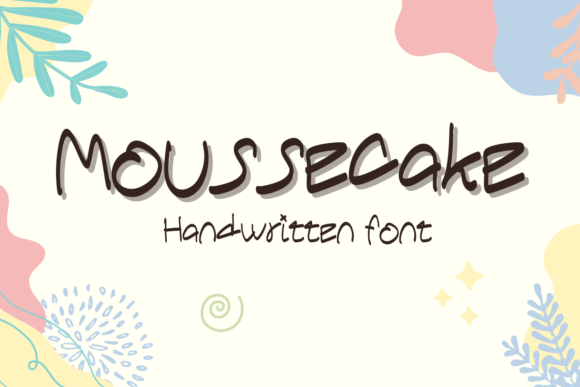
Moussecake is a beautiful, handwritten typeface that adds warmth and charm to any design. Its friendly personality makes it ideal for projects that require a personal touch. Whether you're creating greeting cards, wedding invitations, or boutique packaging, this font brings an elegant yet approachable vibe to your work.
How Moussecake Fits into Handmade Projects
When I first started using Moussecake, I tested it on a variety of surfaces. On small stickers, it worked perfectly—each letter flowed smoothly, and the fine details didn’t get lost. For larger items like wall art or tote bags, I found that the font maintained its charm without becoming overwhelming. It’s versatile enough to suit both minimalist and ornate designs.
I’ve used Moussecake for everything from birthday invitations to seasonal tags. For a recent holiday collection, I paired it with a clean sans serif font for headings and kept Moussecake for decorative elements like “Merry Christmas” or “Happy New Year.” The contrast made the designs pop while keeping them warm and welcoming.
It's also been a favorite for planner pages and printable wall art. The handwritten feel gives these items a sense of authenticity that’s hard to achieve with more formal fonts. When I added Moussecake to a set of farmhouse-style signs, the reaction from customers was immediate—they loved how it gave the pieces a cozy, handmade look.
Designing with Moussecake: Tips and Tricks
One thing I learned early on is that Moussecake works best for short phrases, names, and titles. It has a decorative flair that shines in display text but may not be ideal for long paragraphs. That said, I’ve used it successfully for product labels and packaging where the text is brief and impactful.
For physical products like mugs, shirts, and tote bags, I always test the font at different sizes and distances. Sometimes, the fine lines can become less visible when printed on certain materials, so I recommend checking the font’s legibility before finalizing a design. When I created a line of custom mugs, I used Moussecake for the main text and paired it with a bold sans serif for the brand name. The result was balanced and eye-catching.
If you’re working with cutting machines like Cricut or Silhouette, I suggest testing Moussecake on a sample material first. The font’s curves can sometimes create unexpected results if not properly adjusted. A quick run through a few mockups helped me find the right settings for smooth cuts and crisp edges.
Font Pairing and Commercial Use
Moussecake pairs beautifully with a range of other fonts. For a modern look, I often combine it with a clean sans serif like Helvetica or Arial. If I want something more classic, a simple serif font like Garamond complements it well. For a more dramatic effect, pairing it with a bold display font can make a statement while still keeping the handwritten feel of Moussecake.
Before selling any products or templates that use Moussecake, I always check the font license. It’s important to ensure that commercial use is allowed and that all necessary styles, ligatures, and alternates are included. I’ve had great success using Moussecake for digital printables and SVG-style designs because of its versatility and high-quality rendering.
Another thing to consider is multilingual support. While Moussecake is primarily designed for English, it’s good to verify if it includes characters for other languages if you plan to sell internationally. This ensures that your designs remain consistent and professional across different markets.
Bringing Moussecake into Your Shop
Incorporating Moussecake into your shop branding can help build recognition and emotional appeal. Customers respond to the personal touch it offers, and it can elevate the perceived quality of your products. From boutique tags to wedding invitations, this font adds a unique signature to your work.
I’ve noticed that using Moussecake consistently across different items helps reinforce brand identity. Whether it’s on packaging, social media graphics, or listing images, the font becomes a familiar element that customers associate with your brand. It’s a subtle way to create connection and loyalty.
As I continue to explore new ways to use Moussecake, I’m always excited to see how it transforms my designs. It’s not just a font—it’s a creative tool that inspires and empowers makers to bring their ideas to life with warmth and personality.